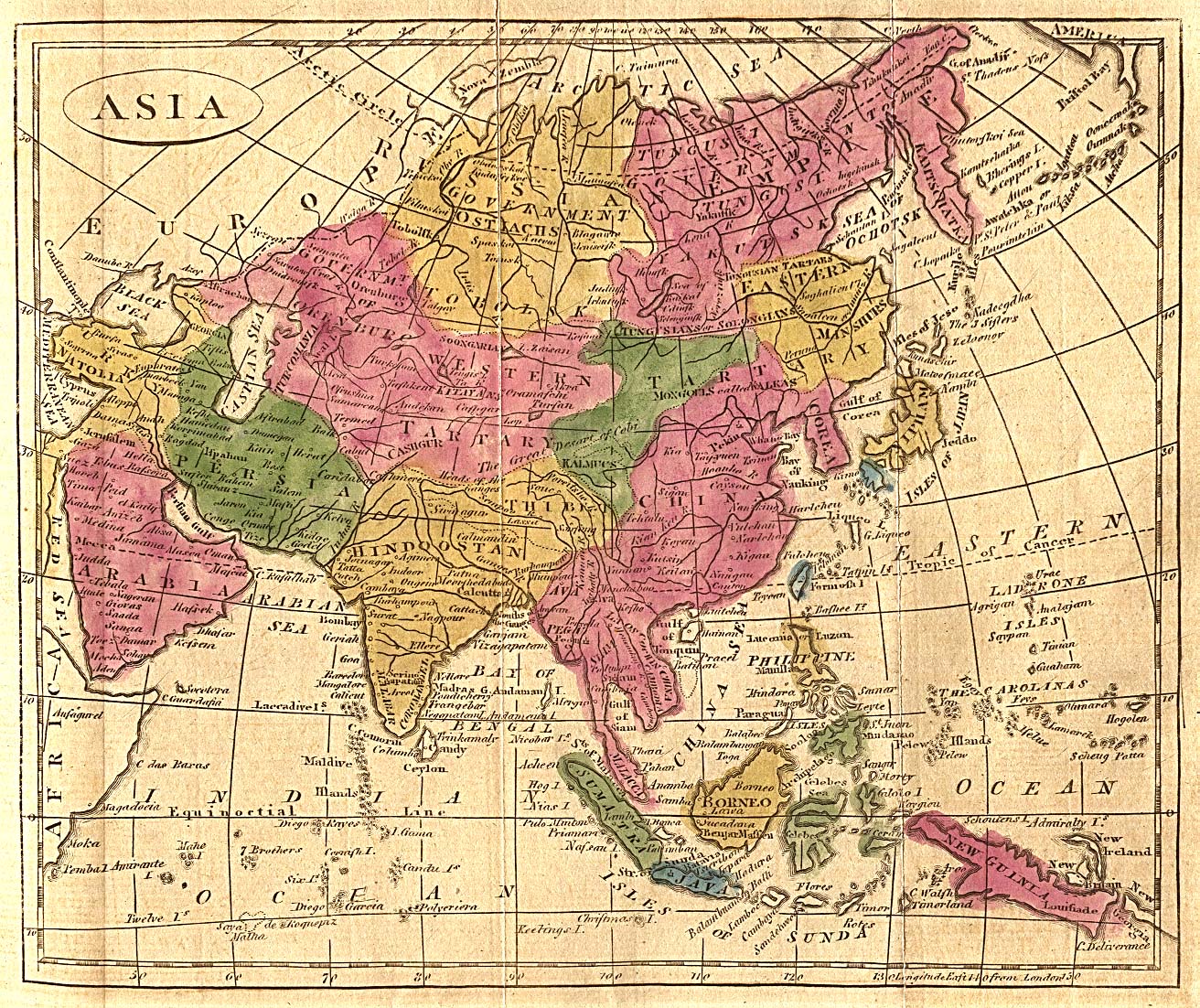
Human Rights situation in the Central Asian republics remains at the forefront of international Human Rights Watch and continues to project a negative facet of the former soviet republics. Last week’s reports too included headlines that depict the dismal situation in the region.
Kazakhstan- Human Rights Activist sentenced to four years for allegedly trumped up charges:
A court in Kazakhstan has sentenced a prominent Human Rights activist, Yevgeny Zhovtis, to four years in jail for man slaughter amidst allegations of politically trumped up charges. The accused struck and killed a pedestrian with his car, however initial test s showed no alcohol in Zhovtis's blood and technical experts concluded there was no way to avoid the collision. Additional forensics tests conducted by the Kazakh authorities later over ruled the initial results.
The nature of the trial has been widely criticized as politically motivated. The human rights situation in Kazakhstan has come under increasing scrutiny as the country is poised to take over the rotating chairmanship of the Organization for Security and Cooperation in Europe (OSCE) in 2010. Earlier Zhovtis, when invited by the OSCE to analyze the countries readiness had expressed the view that Kazakhstan was yet to meet its human rights obligations.
Turkmenistan- Turkmen Banned From Foreign Private Education:
Turkmenistan has banned its citizens from attending foreign private universities, Human Rights Watch (HRW) stated, urging the isolated Central Asian state to reverse the move. Maria Lisitsyna of HRW was quoted as saying "these arbitrary travel restrictions are disturbing new proof of how repressive Turkmenistan's government is."
Turkmenistan became notorious for various restrictions and isolationist policies under late leader Saparmurat Niyazov who had run the country for 21 years as a personal fiefdom, banning gold teeth and renaming months in the year after his family. Though his successor has reversed some of his policies, but HRW claims with little genuine change.
According to the Turkmen Initiative of Human Rights, a Vienna-based NGO, Turkmen authorities are mostly concerned w ith non-state universities, such as American University in Central Asia (AUCA) with a large number of students receiving financial support from the US state department and other donors. The HRW has also criticized the west for engaging with the country because of its oil reserves.
Human Rights groups continue to rally against the national government while also pressurizing international bodies, hence far with little results.
Uzbekistan- State Sponsored Religious Persecution; followers’ of late Turkish Muslim theologian Said Nursi sentenced to prison terms:
The Uzbek authorities launched a huge clampdown on Muslims promoting Nursi's teachings in late 2008 and this year has already seen heavy sentences handed down on dozens of adherents. Two mass trials which ended in July have brought to 47 the number of followers of the late Turkish Muslim theologian Said Nursi, sentenced to prison terms totaling some 380 years under various articles of the Criminal Code in Uzbekistan in 2009.
Human Rights activists have reported brutal beatings of the detainees in pre trial detention. While two human rights groups noted that the cases of extremism against the accused were not proven and they were basically sentenced for practicing religion outside the framework of the traditional state propagated Islam.
Uzbekistan's Law on Freedom of Conscience and Religious Organizations, passed in May 1998, severely restricts the exercise of religious freedom, through regulations that are often arbitrarily applied. The Human Rights situation at present remains dismal.
Kazakhstan- Human Rights Activist sentenced to four years for allegedly trumped up charges:
A court in Kazakhstan has sentenced a prominent Human Rights activist, Yevgeny Zhovtis, to four years in jail for man slaughter amidst allegations of politically trumped up charges. The accused struck and killed a pedestrian with his car, however initial test
 s showed no alcohol in Zhovtis's blood and technical experts concluded there was no way to avoid the collision. Additional forensics tests conducted by the Kazakh authorities later over ruled the initial results.
The nature of the trial has been widely criticized as politically motivated. The human rights situation in Kazakhstan has come under increasing scrutiny as the country is poised to take over the rotating chairmanship of the Organization for Security and Cooperation in Europe (OSCE) in 2010. Earlier Zhovtis, when invited by the OSCE to analyze the countries readiness had expressed the view that Kazakhstan was yet to meet its human rights obligations.
Turkmenistan- Turkmen Banned From Foreign Private Education:
Turkmenistan has banned its citizens from attending foreign private universities, Human Rights Watch (HRW) stated, urging the isolated Central Asian state to reverse the move. Maria Lisitsyna of HRW was quoted as saying "these arbitrary travel restrictions are disturbing new proof of how repressive Turkmenistan's government is."
Turkmenistan became notorious for various restrictions and isolationist policies under late leader Saparmurat Niyazov who had run the country for 21 years as a personal fiefdom, banning gold teeth and renaming months in the year after his family. Though his successor has reversed some of his policies, but HRW claims with little genuine change.
According to the Turkmen Initiative of Human Rights, a Vienna-based NGO, Turkmen authorities are mostly concerned w
 ith non-state universities, such as American University in Central Asia (AUCA) with a large number of students receiving financial support from the US state department and other donors. The HRW has also criticized the west for engaging with the country because of its oil reserves.
Human Rights groups continue to rally against the national government while also pressurizing international bodies, hence far with little results.
Uzbekistan- State Sponsored Religious Persecution; followers’ of late Turkish Muslim theologian Said Nursi sentenced to prison terms:
The Uzbek authorities launched a huge clampdown on Muslims promoting Nursi's teachings in late 2008 and this year has already seen heavy sentences handed down on dozens of adherents. Two mass trials which ended in July have brought to 47 the number of followers of the late Turkish Muslim theologian Said Nursi, sentenced to prison terms totaling some 380 years under various articles of the Criminal Code in Uzbekistan in 2009.
Human Rights activists have reported brutal beatings of the detainees in pre trial detention. While two human rights groups noted that the cases of extremism against the accused were not proven and they were basically sentenced for practicing religion outside the framework of the traditional state propagated Islam.
Uzbekistan's Law on Freedom of Conscience and Religious Organizations, passed in May 1998, severely restricts the exercise of religious freedom, through regulations that are often arbitrarily applied. The Human Rights situation at present remains dismal.
----------------------------------
 Discussion Questions:
· It seems that the Human Rights debate is not very public in the Central Asian Republics with most media and Human Rights Reports originating in foreign media. Does this depict a) a lack of political will in the region or b) is it simply a consequence of state oppression?
· To what extent do you think embedded international interests in the region complicate the situation and provide some semblance of immunity from international pressures?
· Is the parochial and paranoid state action a consequence of nascent political systems and weak institutions in the region?
________________________________________________________ Discussion Questions:
· It seems that the Human Rights debate is not very public in the Central Asian Republics with most media and Human Rights Reports originating in foreign media. Does this depict a) a lack of political will in the region or b) is it simply a consequence of state oppression?
· To what extent do you think embedded international interests in the region complicate the situation and provide some semblance of immunity from international pressures?
· Is the parochial and paranoid state action a consequence of nascent political systems and weak institutions in the region?
Business and Politics in the Muslim World (BPM)refers to the project entitled, "Globalized Business and Politics: A View from the Muslim World.' This project has been undertaken and developed by the Gilani Research Foundation as a free resource and social discussion tool.